A Single Ingredient Just Killed Gel Nails Across Europe
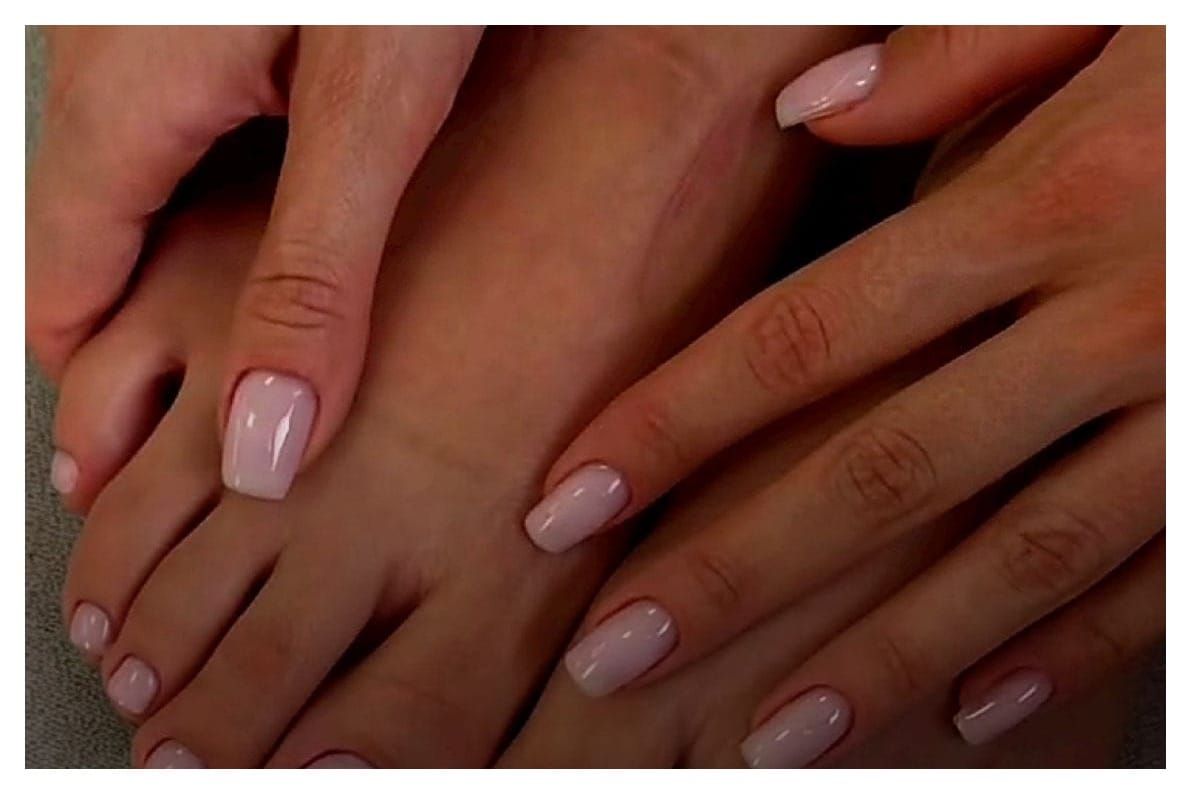
Picture walking into your salon, sitting down, asking for your usual gel and being told no. That's the reality across the EU right now. Since 1 September 2025, gel polish has been illegal to sell or even apply in all 27 EU countries, plus Norway and Switzerland. The most popular manicure in the world, gone overnight, across an entire continent.
It comes down to one ingredient with a clunky name: TPO. It's the thing that makes gel work, it hardens the polish the second your hand goes under the lamp. And it was in nearly every gel bottle on the shelf.
Here's why it got pulled. In animal studies, TPO damaged reproduction. Rats exposed to it developed testicular damage, and at high doses, their fertility collapsed to nothing.
The industry wasn't happy. The amount in a single manicure is tiny, they said, a thousand times below anything shown to cause harm, and barely absorbed anyway. So why ban it?
Because the EU doesn't ask "how much." It asks "can this harm you at all." And if the answer is yes, the dose stops mattering. It doesn't belong in cosmetics. Full stop.
Now here's the part nobody's really talking about and honestly, it's the part that should bother you most.
If you get a gel manicure once a month, you're barely exposed. The polish sets hard and seals onto your nail. The person who actually pays for it is the one sitting across the table from you.
Think about her for a second. She handles the raw, uncured gel with bare hands. She breathes the fumes eight, ten hours a day, in a cramped room with no real ventilation. She does this every day, for years. In the US alone, there are around 400,000 of her. And reproductive harm and cancer are already known risks of the job.
So when the EU banned TPO, it wasn't really protecting the customer. It was protecting the hundreds of thousands of women who handle this for a living and never got asked how they felt about it.
Which leaves one question hanging. Why is nobody else doing this?
The science doesn't stop at Europe's border. The US has no ban and isn't planning one. India has no ban. Most of the world has no ban. Same chemical, same risk, same women handling it bare-handed every day. Only Europe did anything about it.
Séra's Verdict. The EU got this completely right, and it isn't even close. You don't gamble with something that can take away a person's ability to have children least of all on behalf of the women who touch it all day so you can have nice nails. The ban isn't the shocking part. Everyone else is. The evidence has been in plain sight, and the rest of the world looked at it and decided protecting these workers wasn't worth the hassle of changing a formula. That's the story. Not that Europe banned it. That no one else could be bothered to.