Ever wondered why your perfume smells different in summer?
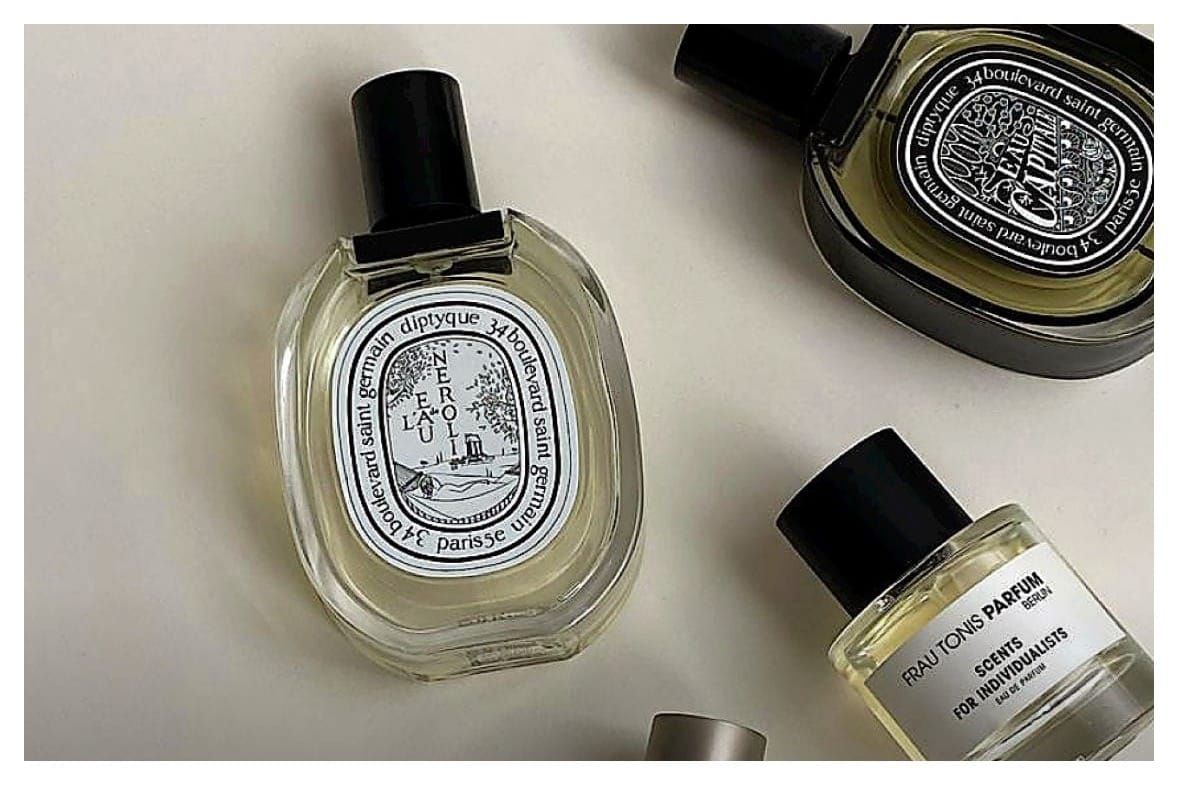
There is a very specific kind of betrayal that happens every June. You reach for the perfume that made you feel like yourself all winter, spray it on, walk outside and within twenty minutes it is either completely gone or so loud that you become the reason someone opens a window.
The perfume did not change. The season did.
When skin temperature rises to 35 or 40 degrees, a standard June morning in most Indian cities, the fragrance molecules evaporate faster. The top notes that were designed to open gently over 20 to 30 minutes are gone in under ten. Everything accelerates. The perfume moves through its stages quickly, projects further than it would in cooler weather, and burns out sooner. You applied the same amount. The season changed the outcome.
This means two things that most people experience but cannot explain.
Heavy fragrances become too much. A cashmere, oud, or thick amber composition that felt warm and intimate in December becomes suffocating in June. Not because it changed but because heat is amplifying it. The same fragrance, at summer skin temperature, projects three to five times more intensely. The person sitting next to you notices before you do.
And citrus, green, aquatic fragrances, the ones that felt too light in winter, too simple, not worth the price - come alive. They were built for exactly this. The molecules in a bergamot, neroli, or fresh green composition are designed to perform at speed. Summer is not working against them. Summer is the condition they were made for.
This also changes how people physically experience you.
A heavy base amplified by heat does not read as luxury. It reads as too much. It closes people off before a conversation starts. The fragrance projects beyond your body, into shared air, into someone else's space. In winter that same composition feels warm and considered. In summer it feels like an imposition.
The fragrances that make people move closer in summer are almost never the heavy ones. A clean citrus, a neroli, a light musk sitting close to warm skin, these create proximity rather than distance. They make someone want to know what you are wearing rather than where the exit is. That is a different kind of power.
The fragrance industry knows all of this. The education around it is almost nonexistent not because it is complicated, but because a customer who understands their seasons buys more deliberately. That is not a profitable outcome for a shelf of year-round bestsellers.
Séra's Verdict: Your winter fragrance is not broken. It is just out of season. For summer, reach for bergamot, neroli, white tea, fresh musks, green fig - anything that sits close to the skin and lets the heat carry it rather than amplify it. For winter, the heavy compositions earn their place — oud, cashmere, amber, vanilla, sandalwood because cold air holds them at exactly the right distance. Two seasons, two entirely different relationships with scent. The people who understand this never have a bad fragrance day. They just have the wrong bottle for the month.