What Does the World Cup Actually Mean for Beauty?
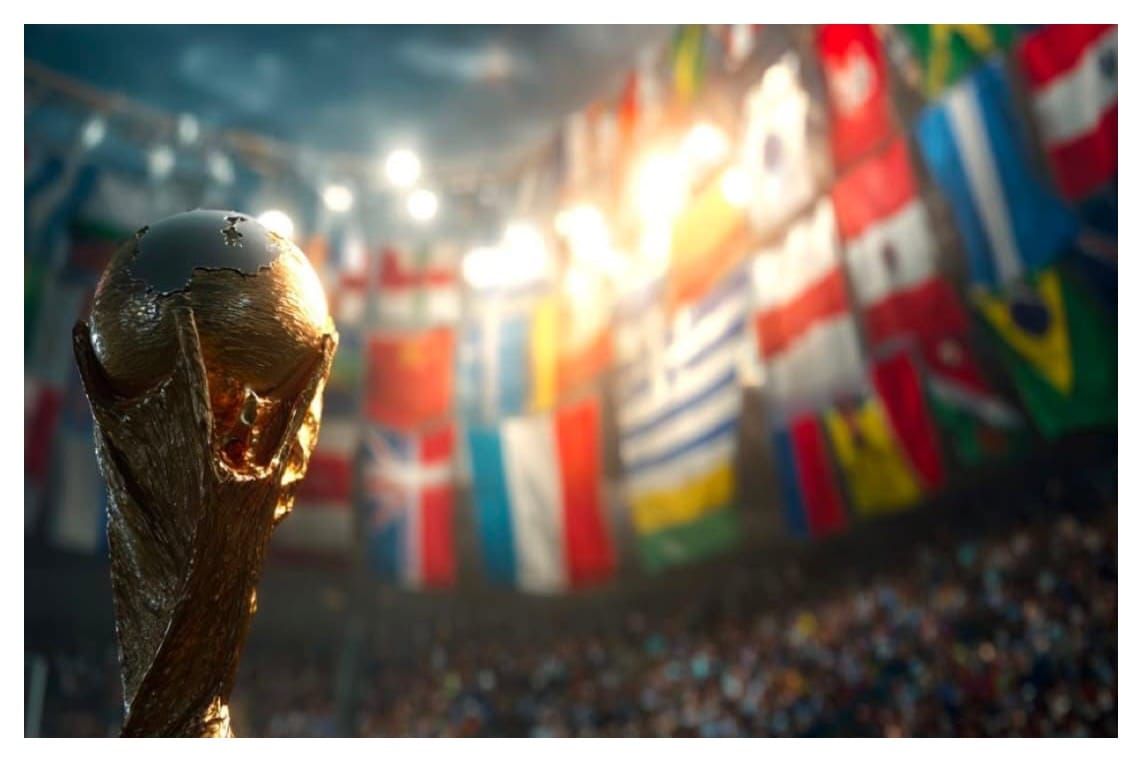
The 2026 FIFA World Cup has an official skincare sponsor. It is Paula's Choice.
Not a legacy mass-market brand with a century of advertising muscle. Paula's Choice, the evidence-based, no-fragrance, acid-exfoliant brand that built its entire identity on cutting through beauty industry nonsense. The brand is calling the campaign Proud Supporter of Your Skin. They are running it alongside Coca-Cola, Adidas, and Aramco. This is not a small decision. Someone at FIFA decided that skincare belongs at the biggest sporting event on earth.
They are not alone. Dove Men+Care and Dr. Squatch are also official World Cup sponsors. Three beauty and personal care brands in a single FIFA sponsorship portfolio is not a coincidence, it is a category making a formal argument about where it belongs.
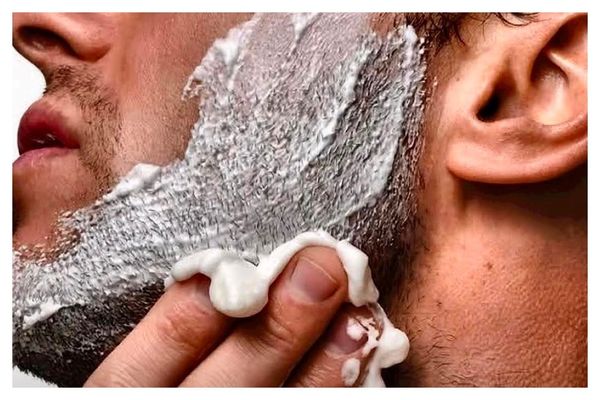
Men's grooming moves every World Cup. Every single time. Face wash, moisturiser, hair product the categories that spend years convincing men that skincare is relevant get handed the biggest male audience in the world for free. The argument that used to take a three-minute ad now takes thirty seconds of watching Mbappé in close-up. Dove Men+Care and Dr. Squatch are not here for the female football fan. They are here for her boyfriend who is actually watching.
The footballer-as-beauty-icon pipeline is now completely normalised. Mbappé is the face of Dior. Ronaldo built CR7 into a fragrance business. David Beckham's House 99 grooming brand exists because of exactly the kind of attention the World Cup generates every four years. These are not one-off deals. They are the architecture of a new category, the most watched athletes in the world, selling the idea that looking like them is purchasable.
Nail art is the lighter version of the same story. Brazil yellow. Argentina blue and white. England red. Every major colour cosmetics brand briefed team shade collections into this cycle. With 48 nations qualifying for the first time, that is 48 flag palettes, a lot of limited edition launches, and a neat way to make nationalism feel like self-expression.
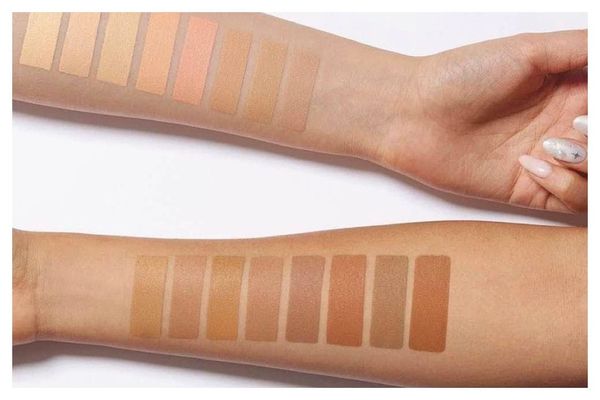
And then the less comfortable version of that same logic. Skin-lightening and tone-evening products, the category that has been quietly rebranded but not quietly discontinued is advertised heavily during global sporting events. The audience is massive and aspirational in exactly the way these brands need. The products have new names. The campaigns have softer language. The underlying pitch is still recognisable to anyone who grew up watching Indian television.
Progress has been made. It has not been completed.
Séra's verdict: The beauty industry does not sponsor the World Cup because it loves football. It sponsors it because five billion people watching elite athletes is five billion people feeling inadequate about their own bodies. That is not a side effect. That is the business model. Buy the serum, buy the grooming kit, buy the idea that the right product closes the gap between you and the screen. The tournament ends in July. The campaign does not.