Wait, Birkenstock Makes Nail Polish Now?
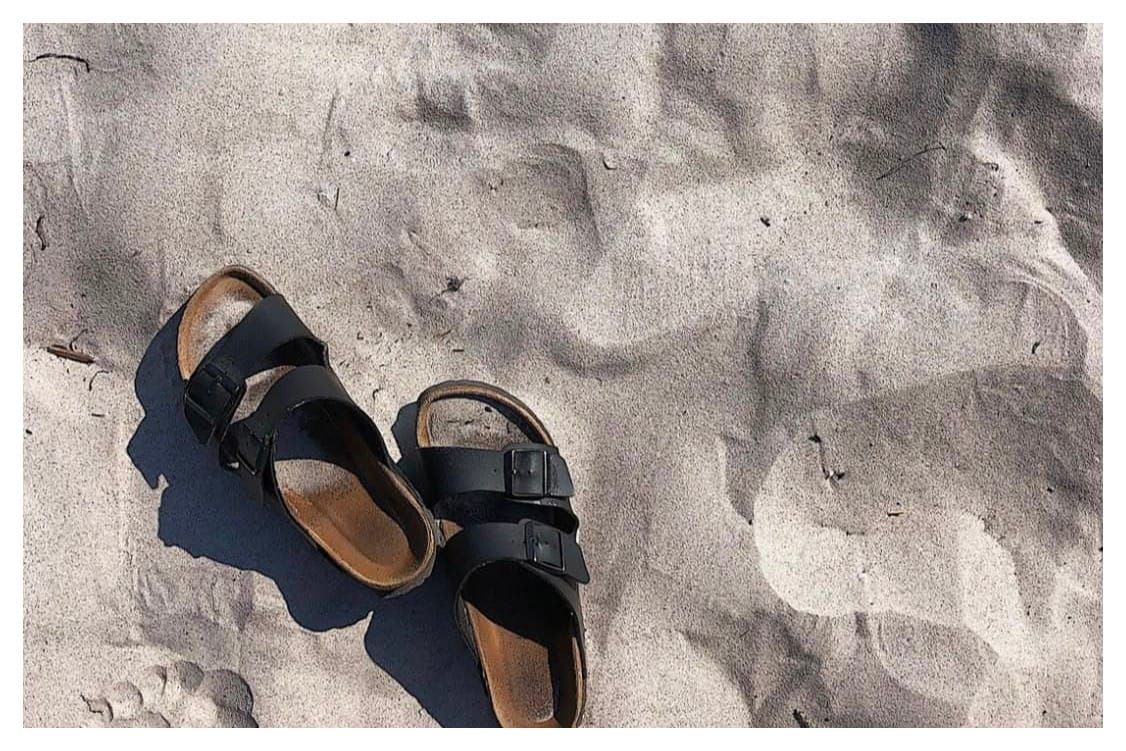
Birkenstock has been making sandals since 1774. It has been making nail polish since April 2026.
The collection is called Care Essentials. Five shades — Eggshell, Light Rose, Crocus, Surf Green and Red coordinated with the brand's sandal palette. Vegan, plant-based, 23-free formula. $11.95 a bottle. Made in Europe. Packaged in recyclable glass.
It is, by all accounts, a perfectly decent nail polish. That is not what is interesting here.
What is interesting is why. And the honest answer involves five things the brand will not put in a press release.
The margins. Beauty has the highest profit margins of any consumer category. Luxury skincare runs 60 to 80 percent gross margin. Makeup runs 70 to 90 percent. A $11.95 nail polish costs a fraction of that to produce. Compare that to a sandal — leather, manufacturing complexity, sizing, returns and the margin picture looks very different. Beauty is not a distraction from Birkenstock's core business. It is a margin improvement.
The daily touchpoint. A pair of Birkenstocks is a considered purchase. You buy them once, maybe twice a year. A nail polish is a monthly relationship. Every time a consumer reaches for that bottle they are in the Birkenstock universe. The brand moves from something you wear occasionally to something you interact with every single day.
Brand repositioning. Birkenstock spent decades as the ugly comfortable sandal. Then it became a luxury fashion item — Dior collaborations, $200 price points, serious fashion credibility. A beauty line is the next chapter in that story. It says you are a lifestyle brand, not a footwear brand.
The cultural conversation. Gen Z does not discover brands through advertising. They discover them through moments worth talking about. "Birkenstock makes nail polish" is inherently shareable. The launch itself is the marketing campaign. The press coverage, the Instagram posts, the "wait what" reaction, that awareness cannot be bought.
Retail strategy. Adding a new sandal SKU requires last sizing, manufacturing changes, supply chain complexity. Adding a nail polish to an existing retail footprint costs almost nothing in comparison. It fills shelf space, increases average transaction value, and gives retail partners a reason to give Birkenstock more floor space.
Five business reasons. One $11.95 bottle of nail polish.
Birkenstock is not the first non-beauty brand to do this. Porsche has a fragrance. Ferrari has skincare. Louis Vuitton launched a $160 lipstick. The logic is identical every time, take brand equity built in one category, extend it into the highest-margin, highest-frequency category in consumer goods, and create a new revenue stream.
Now you know why.
Séra's Verdict: Every time a non-beauty brand launches a beauty product, the press release will talk about authenticity, values, and the natural extension of the brand world. The business case will be margins, frequency, and retail strategy. Both things can be true simultaneously. What matters is whether you, as the consumer, are buying something worth buying or buying the feeling of belonging to a brand that has decided beauty is good for business. The Séra Edit will always tell you which one it is.